

Understanding Forebet Funky Time in Sports Predictions
Discover Forebet Funky Time's origin, how it works, and practical tips to boost your sports predictions accuracy and make sharp decisions ⚽📊💡
Edited By
Ekene Okafor
The Forebet Lucky Jet algorithm stands as a sophisticated tool used primarily to predict football match outcomes. Unlike traditional guesswork, this algorithm crunches vast data points from past games, team performances, player stats, and even situational factors like home advantage or weather conditions. It’s a mix of statistical analysis and machine learning techniques, tuned to capture patterns invisible to everyday fans.
In practical terms, Forebet applies what some call a predictive model to generate probabilities for match results: win, draw, or loss. For Nigerian football leagues such as the NPFL (Nigerian Professional Football League), this algorithm helps bettors and analysts get an edge by providing data-driven forecasts rather than relying on gut feelings or hearsay.

"No prediction tool can guarantee 100% accuracy, but the Forebet Lucky Jet algorithm often improves decision-making by quantifying uncertainties in football matches."
The algorithm takes historical match data—thousands of matches across various leagues—and processes them through a series of mathematical formulas. It evaluates:
Team form over recent games
Head-to-head records
Goals scored and conceded
Player availability (injuries, suspensions)
External conditions like weather
Each factor weighs differently depending on the league and competition being analysed. For example, in Nigerian leagues, travel fatigue and pitch quality sometimes affect performance more than in European leagues, so the algorithm may adjust weightings accordingly.
Betting culture in Nigeria is vibrant, but many punters base decisions on hearsay and rumours. With Forebet’s predictions, users get insights backed by data, helping to avoid costly blunders. Still, it’s critical to cross-check these predictions with local knowledge—like a star player’s sudden injury or managerial changes—which the algorithm might miss if not updated in real-time.
Consider a reported match between Enyimba and Kano Pillars. Forebet might suggest a 55% chance for Enyimba to win, 25% for a draw, and 20% for Kano Pillars. For someone placing a bet, this selected information helps fine-tune risk assessment and stake amount.
While useful, the algorithm isn’t infallible. Unpredictable events—red cards, last-minute tactical changes, off-field distractions—cannot be fully captured. It’s a guide, not a crystal ball.
Using Forebet Lucky Jet effectively means combining algorithmic predictions with up-to-date local context and sound betting practices, especially within Nigeria’s dynamic football environment.
The Forebet Lucky Jet algorithm plays a significant role in modern sports predictions, particularly in football forecasting. For young professionals, traders, and analysts in Nigeria, understanding this algorithm offers a way to harness data-driven insights that go beyond gut feeling or hearsay. By processing vast amounts of historical and real-time data, the algorithm helps users make informed decisions, whether for betting, sports journalism, or market analysis.
The Forebet Lucky Jet algorithm is a specialised statistical tool designed to predict football match outcomes with a high degree of accuracy. Using a combination of historical match data, player statistics, and team performance trends, the algorithm generates probable scores and results. Unlike random guesses, it applies a systematic approach to assess probabilities, giving bettors and enthusiasts a clearer edge. For example, it might analyse how a Nigerian Professional Football League (NPFL) team performs at home against certain opponents and factor this into its predictions.
Its primary purpose is to improve the precision of sports forecasting and reduce the uncertainty typically associated with betting on football matches. This is particularly useful for Nigerian football fans and betting operators who are keen on making smarter, data-backed choices.
The algorithm’s development is rooted in the expanding field of sports analytics, which grew rapidly over the past two decades. While early sports predictions depended heavily on expert opinion, the rise of technology introduced machines and models capable of handling large datasets. Forebet, a company well-known for football forecasts globally, developed the Lucky Jet algorithm by combining traditional statistics with computer science techniques, including machine learning.
In Nigeria, where football holds widespread passion, such algorithms started gaining traction as internet access increased and more data became available. The approach mirrors developments seen in countries with well-established leagues, but with adaptations that address local leagues and player dynamics. For example, the algorithm acknowledges the irregularities often found in Nigerian leagues, such as sudden player transfers or weather disruptions, to provide more realistic forecasts.
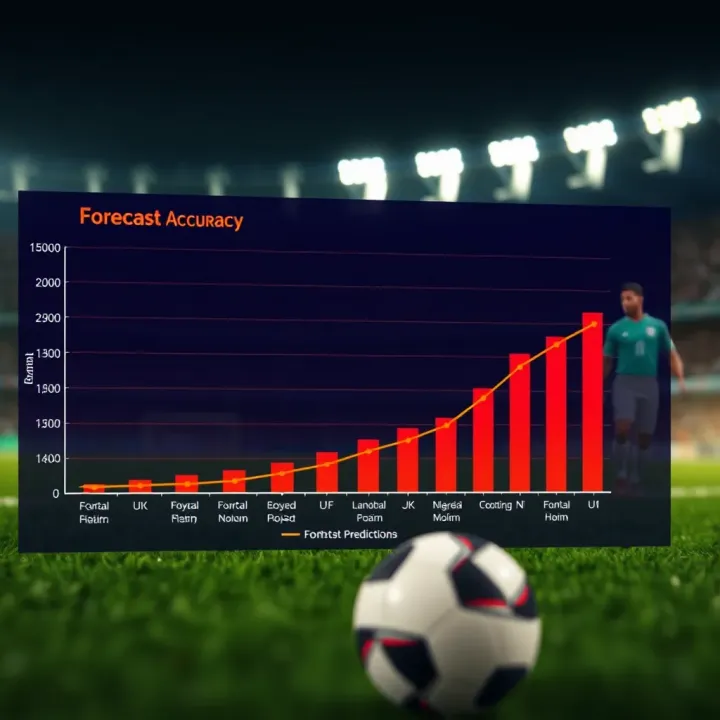
The Forebet Lucky Jet algorithm blends historical data and technology to bring reliable football predictions closer to the average Nigerian bettor, enhancing both experience and potential returns.
Understanding this introduction sets the foundation for grasping how the algorithm works technically and its impact on Nigerian sports betting and analysis. The sections ahead will unpack its mechanics and practical applications in further detail.
Understanding how the Forebet Lucky Jet algorithm works is crucial for anyone interested in accurate sports predictions, especially within Nigeria’s booming football scene. The algorithm combines rich data inputs with advanced statistical models to produce forecasts you can rely on, though it's not magic but a science-driven process.
At its core, the algorithm gathers extensive data from multiple sources. These include recent team performances, injury reports, player statistics, head-to-head records, and even weather conditions on match day. For example, if a Nigerian Professional Football League (NPFL) team is missing key players due to injury or suspension, the algorithm factors that in for a more realistic prediction.
The statistical models used are primarily based on Poisson distribution and regression analysis, which measure the likelihood of goals scored and game outcomes. For instance, if a team's past matches show a consistent scoring rate, the model leverages that data to estimate possible scores in upcoming games. Using these models, the algorithm can simulate numerous scenarios rapidly, enabling better forecasting than simple guesswork.
Machine learning techniques elevate the algorithm beyond traditional statistics. By feeding it real-time match data and historical trends, the algorithm continuously improves its accuracy. It learns from previous prediction outcomes — successes and misses — to adjust its weighting of input variables. For example, if it notices that home advantage in the Nigerian league is less impactful during rainy seasons, it adapts its model accordingly.
Predictive analytics also help identify patterns not obvious to human analysts. The algorithm might reveal that a particular team tends to concede more goals in the second half when playing away. This insight guides predictions about the match's course, offering bettors an edge.
The fusion of statistical rigour with machine learning means users benefit from dynamic, up-to-the-minute predictions tuned to local leagues like the NPFL and international contests.
In summary, the Forebet Lucky Jet algorithm works by absorbing diverse, detailed data, applying robust statistical methods, and refining predictions through machine learning. This approach delivers forecasts that are grounded in reality and responsive to changing conditions on and off the pitch. For young professionals and tech enthusiasts in Nigeria, understanding these mechanics is key to appreciating how sports forecasting tools translate data into actionable insights.
The Forebet Lucky Jet algorithm plays a significant role in football predictions by providing data-driven insights that help users anticipate match outcomes and scorelines accurately. Its applications extend beyond theoretical analysis, offering practical tools for bettors, analysts, and football enthusiasts seeking an edge in both Nigerian and global markets.
Predicting match results requires analysing numerous variables like team form, player injuries, historical head-to-head stats, and home advantage. The Forebet Lucky Jet algorithm integrates these variables using statistical models and machine learning techniques to forecast not just winners or losers but also likely scores, which is far more valuable for serious bettors.
For instance, in the Nigerian Professional Football League (NPFL), the algorithm can evaluate factors like player absences due to injuries or suspensions, travel fatigue for away games, and recent performance trends to suggest a 2-1 home win with higher probability. This moves beyond guesswork to measurable probabilities, aiding users in placing more informed bets.
Moreover, the algorithm adjusts its predictions as new information comes in, such as last-minute line-up changes or weather conditions, ensuring predictions stay relevant up to kickoff. This dynamic aspect is particularly handy for Nigerian bettors who face challenges around unreliable data and fluctuating team conditions.
The Forebet Lucky Jet algorithm finds application both within local Nigerian football and on international platforms. Locally, it works with NPFL data, lower league matches, and even continental competitions where Nigerian teams compete, providing predictions that reflect realities like home crowd advantages and playing surfaces.
Internationally, the algorithm analyses leagues such as the English Premier League, La Liga, and Serie A, where betting markets are vast and data is abundant. Nigerian tech platforms and betting companies often incorporate or adapt this algorithm to offer users prognostications that meet global standards.
This dual application bridges knowledge gaps for Nigerian users, making international football betting as accessible as local fixtures. For example, a Nigerian bettor using a platform powered by the Forebet Lucky Jet algorithm can receive a full breakdown: expected goals, potential scorers, and match tempo insights for both NPFL matches and Chelsea vs Liverpool fixtures.
The real value lies in how these predictions translate to actionable insights for the average user, improving decision-making in fast-paced betting markets while accounting for local peculiarities like power outages or data interruptions.
In summary, the Forebet Lucky Jet algorithm shines in delivering tailored, up-to-date football predictions. Its ability to process complex data tailored for Nigerian conditions and global contexts makes it a critical tool for modern sports prediction enthusiasts and professionals alike.
The Forebet Lucky Jet algorithm offers clear advantages for Nigerian sports enthusiasts and bettors, but it also comes with some risks. Understanding both sides helps users make smarter choices and avoid common pitfalls amid Nigeria's dynamic sports betting scene.
One key benefit of the Forebet Lucky Jet algorithm is its use of detailed statistical data and machine learning, which can improve prediction accuracy beyond mere guesswork. Nigerian bettors, especially those following the NPFL (Nigerian Professional Football League), find value in its data-backed forecasts when placing bets. For instance, rather than relying on hearsay or recent form alone, a bettor can access probabilities that factor in historical performance, player availability, and even subtle home advantages.
Besides betting, sports fans enjoy a richer viewing experience by using predictions to follow matches more closely or engage in discussions. The algorithm’s ability to highlight likely scorelines and outcomes adds extra context. This kind of insight enhances engagement, especially during ember months when football seasons peak and many lucrative betting opportunities arise.
The accessibility of the algorithm via popular Nigerian platforms like BetKing or NairaBet further boosts its benefit. Users can get predictions directly on apps or websites where they also place bets, streamlining the process and saving time.
Users must recognise the limitations inherent in any predictive model. Despite Forebet Lucky Jet’s sophisticated design, football remains unpredictable. Upsets happen often, especially with factors like last-minute injuries or referee decisions, which algorithms can't fully incorporate.
Another challenge involves data quality and availability. While international leagues boast comprehensive datasets, Nigerian football data can sometimes be spotty or delayed, affecting prediction reliability. Users relying solely on the algorithm without cross-checking local news or team updates may lose out.
Risk management is essential. Betting large sums based purely on algorithmic predictions is unwise. The naira’s volatility and local economic factors mean that even small losses can sting. Responsible bettors should use the algorithm as one tool among many, combining its guidance with personal judgement and bankroll discipline.
Algorithms like Forebet Lucky Jet can enhance decision-making, but they don't replace sound betting strategies and critical thinking.
To summarise, Nigerian users stand to gain from the Forebet Lucky Jet algorithm's predictive power, especially when using it alongside other information sources. The benefits can be substantial, yet understanding its limits helps minimise risks and improves the overall betting experience.
The future of sports prediction algorithms looks promising as technology continues to evolve rapidly. For Nigerian users and enthusiasts, understanding this outlook matters because it will shape how data-driven insights influence betting, sports journalism, and even team strategies. The Forebet Lucky Jet algorithm, like others, depends heavily on new advancements in data processing power and machine learning techniques, making its predictions more accurate over time.
Emerging technologies will refine sports prediction algorithms further. Improvements in artificial intelligence models mean algorithms can handle more complex variables such as player injuries, weather conditions, and recent transfers, making forecasts much sharper. On top of that, integration with Nigerian digital platforms offers unique opportunities. For example, fintech services like Paystack or Flutterwave could embed these algorithms to provide real-time betting odds directly within mobile apps. Similarly, Nigerian sports websites and mobile apps may adopt prediction tools to engage fans more dynamically during local tournaments such as the NPFL (Nigerian Professional Football League).
The rise of affordable cloud computing services in Nigeria also lowers the barrier for developers to build sophisticated prediction models. This tech growth could boost local startups that specialise in sports analytics. Imagine a third-party app giving fans forecasts on matches involving prominent Nigerian clubs like Enyimba or Kano Pillars, including detailed score probabilities and player performance trends. It’s not far-fetched — several data firms globally are already using similar models for European leagues.
As these algorithms become widespread, ethical issues and regulations will gain more attention. The accuracy of predictions can unduly influence betting behaviours, sometimes encouraging overconfidence and risky wagers. Therefore, Nigerian regulators, including the National Lottery Regulatory Commission (NLRC), may need to establish guidelines to ensure transparency and protect consumers from misleading claims.
Data privacy is another concern. Prediction tools rely on vast amounts of player and match data, which may include sensitive information. It is crucial for operators to respect data protection laws and obtain proper consents when collecting and using such details.
Furthermore, transparency about algorithm limitations will help users make informed decisions. No model is flawless; unforeseen match events like red cards or sudden weather changes can upset predictions. Platforms should clearly communicate this to avoid creating unrealistic expectations among Nigerian bettors.
Growing technological capabilities paired with strong ethical frameworks will ultimately determine how beneficial sports prediction algorithms become for Nigeria’s sports betting community and beyond.
In summary, the future outlook hinges on continuous tech innovation alongside careful regulatory oversight. Nigerian platforms stand to gain substantially by adopting advanced sports prediction tools, provided they uphold user trust and fairness.
Discover Forebet Funky Time's origin, how it works, and practical tips to boost your sports predictions accuracy and make sharp decisions ⚽📊💡

🎾 Discover how Forebet predicts tennis matches today with clear insights and tips that help Nigerian fans and bettors make smart, confident choices on local matches. 🇳🇬

⚽ Get daily football predictions from Liobet and Forebet; learn their methods, compare accuracy, and boost your betting strategy with tips tailored for Nigeria's football fans.

🏀 Learn how Forebet promotion works and discover tips to boost your winnings. Get smart on risks and rewards in Nigeria’s sports betting scene today! 💰
Based on 15 reviews